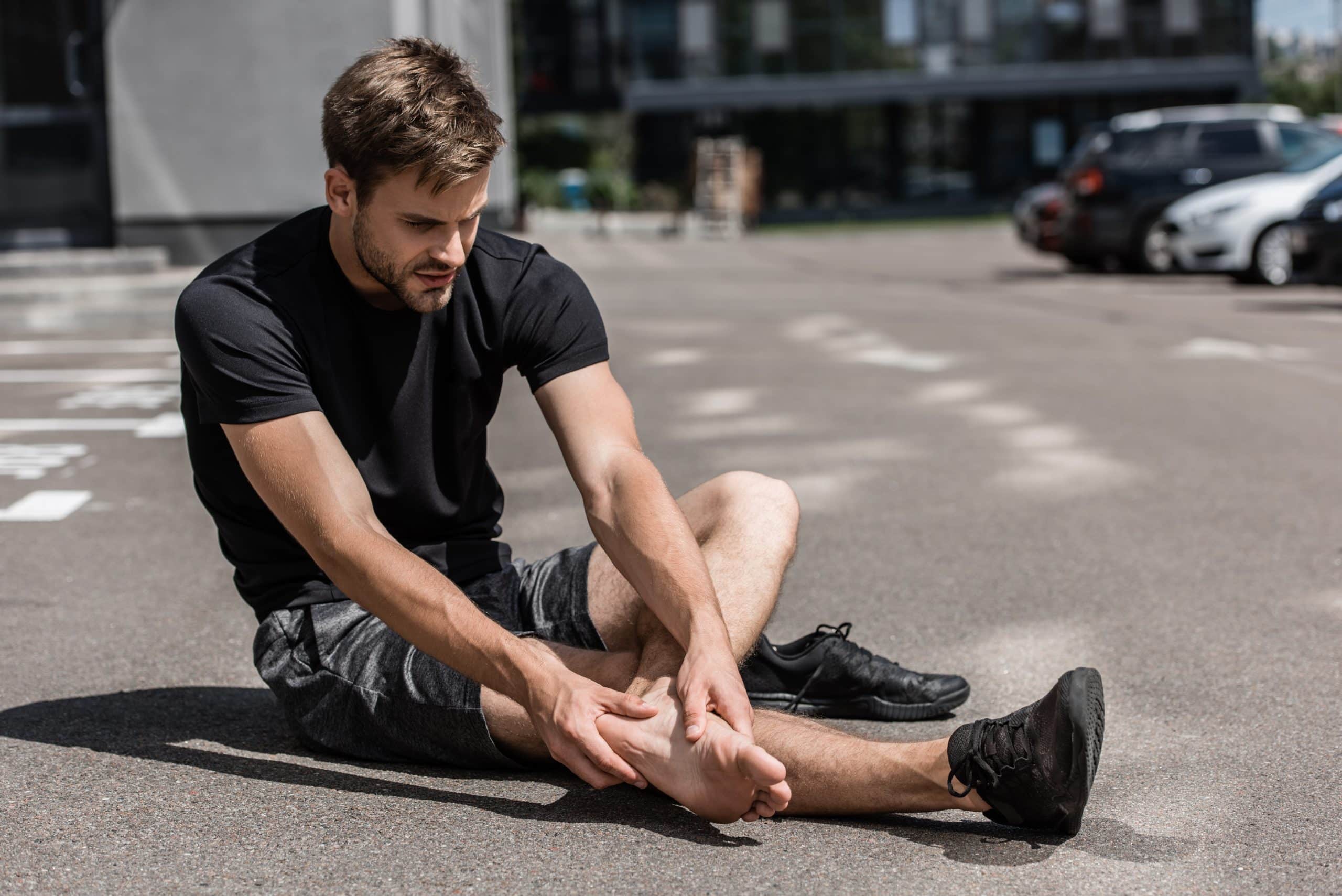
Foot Pain Physiotherapy Edmonton
At Eastwood Physiotherapy, we provide a comprehensive approach to managing and alleviating foot pain. The foot, a complex structure with 26 bones, 33 joints, and over a hundred tendons, muscles, and ligaments, is susceptible to various injuries and conditions. Our professional team excels in diagnosing and treating these complications using innovative techniques and a patient-centred approach.
Understanding Foot Pain
Foot pain can be a result of numerous conditions ranging from acute injuries to chronic diseases. It can manifest in different ways, such as sharp, stabbing pain, dull ache, stiffness, or even a burning sensation. Identifying the origin and nature of foot pain is the key to effective treatment.
Anatomy of the Foot: Areas
Heel:
- Condition: Plantar Fasciitis - An inflammation of the dense tissue strip bridging the heel and toes.
- Cause: Overuse, improper footwear, or intense physical activity can strain the plantar fascia, leading to pain and inflammation.
- Physiotherapy: Techniques like stretching exercises, manual therapy, and modalities such as ultrasound can alleviate pain, promote healing, and restore functionality.
Achilles Tendon:
- Condition: Achilles Tendinitis - Condition marked by overexertion-induced damage to the tendon linking the calf muscles to the heel bone.
- Cause: Excessive running or jumping, improper footwear, or having tight calf muscles can strain and injure the Achilles tendon.
- Physiotherapy: Physiotherapy aims to reduce pain and inflammation, strengthen the calf muscles, improve flexibility, and prevent future injuries through exercises, manual therapy, and modalities like shockwave therapy.
Arch of Foot:
- Condition: Flat feet or High arches - Conditions where the arches of the foot collapse or are raised higher than normal.
- Cause: Hereditary, wear and tear, or neurological conditions.
- Physiotherapy: Custom-made orthotics, strengthening exercises, and balance training can help prevent further complications and manage symptoms.
Ball of Foot:
- Condition: Metatarsalgia - Pain and inflammation in the ball of the foot.
- Cause: High-impact activities, foot deformities, excess weight, or wearing ill-fitting shoes can lead to metatarsalgia.
- Physiotherapy: Offloading techniques, stretching, strengthening exercises, and advice on suitable footwear can alleviate pain and prevent recurrence.
Toes:
- Condition: Bunions - Deformity of the joint connecting the big toe to the foot and Morton's Neuroma - A discomforting disorder predominantly influencing the region between the third and fourth toes of the foot's ball.
- Cause: Wearing narrow or tight shoes, arthritis, or biomechanical factors such as abnormal gait or flat feet.
- Physiotherapy: Toe and foot exercises, mobilizations, custom orthotics, and footwear advice can manage symptoms and slow the progression of the deformity.
Physiotherapy Techniques for Foot Pain
Our team employs a range of physiotherapy techniques to treat foot pain.
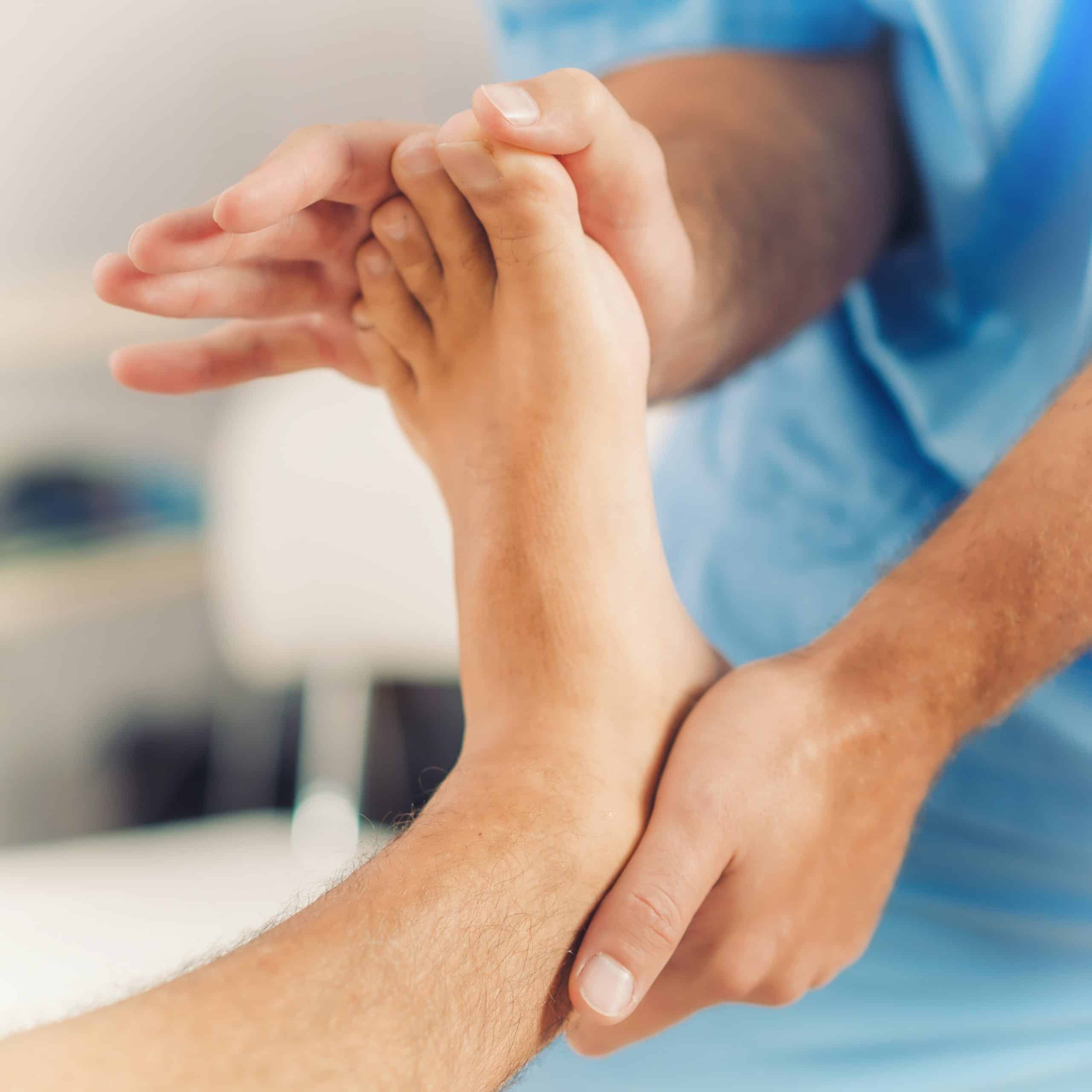
- Manual Therapy:
Manual therapy involves hands-on techniques to mobilize joints, stretch muscles, and increase flexibility. It helps in relieving pain, improving blood circulation, and enhancing movement in the affected area. - Exercise Therapy:
Specific strengthening and stretching exercises can improve the foot’s strength, flexibility, and stability. Therapeutic exercises might include toe curls, heel raises, and ankle rotations. - Gait Training:
Gait training aims to improve the way you walk, enhancing efficiency and reducing stress on your foot. This might include exercises to improve balance, strength, and flexibility or advice on walking aids or orthotics if necessary. - Taping or Bracing:
Taping or bracing can provide support to the affected area, limit certain movements that might cause pain, and guide the foot to move in a more efficient and less painful manner. - Dry Needling:
This involves inserting fine needles into specific points in your muscles to relieve pain, reduce muscle tension, and improve movement. - Shockwave Therapy:
Shockwave therapy uses sound waves to target specific areas of pain, reduce inflammation, and stimulate healing. It’s particularly beneficial for chronic conditions such as plantar fasciitis.
Post-Treatment Care at Eastwood Physiotherapy
After your treatment, our physiotherapists will provide you with a personalized home exercise program to continue your rehabilitation and prevent future injury. We also advise modifying footwear or using orthotics to maintain proper foot alignment and reduce the risk of recurrent pain.
General Advice by Physiotherapists for Foot Pain
- Footwear: Ensure your shoes fit well and offer good support, especially around the arch and heel area. Consider using orthotics if recommended by your physiotherapist.
- Warm Up and Cool Down: Always warm up before engaging in physical activity and cool down afterwards to prepare your muscles and prevent foot injuries.
- Foot Care: Regular foot care is important. This includes daily checks for any changes, moisturizing to prevent dryness and cracks, and keeping your toenails well-trimmed.
- Stay Active: Regular physical activity helps maintain good foot health. However, it’s important to gradually increase the intensity and duration of your exercise to avoid overuse injuries.
Regain Your Stride with Eastwood Physiotherapy
At Eastwood Physiotherapy, our goal is to help you move pain-free and achieve optimal foot health. Don’t let foot pain limit your mobility and hinder your quality of life. Reach out to our professional team today, and take the first step towards effective pain relief and improved foot function. Remember, a pain-free step is a leap toward a healthier life!